
Sustainable travel doesn’t have to be tedious or overwhelming. It should not make us feel guilty to travel. It can be the usual way to travel and is easy to adapt to for every traveler. In fact, before mainstream media and social media took the world by storm, we were sustainable. If you are reading this blog, chances are that you have heard about sustainable travel and want to know how you can implement it easily in your next tour to India.
In simple words, sustainable travel is when –
Your tour to India would probably start by searching on the internet. Once you choose the places you want to visit and the activities you want to do, you proceed with booking the tickets. You can begin making conscious travel choices at this stage itself.
According to a report by BBC, the CO2 emission of a domestic flight (economy class) is three times that of an electric-powered train or a car with four passengers traveling the same distance. This further goes up three times for business class and four times for first class. We understand that international travel by train or road is not a practical option if you have limited time. But once you land in India, we encourage you to choose trains and road travel over local flights.
Traveling by trains in India is a unique experience, and contrary to the common notion, there are some very comfortable and fast trains in India that you can take. On a train, you see the Indian countryside that you miss on a flight. Train travel has traditionally been associated with the interesting conversations that we strike with our fellow travelers and the stories we hear, which seldom happen on a flight.
Low-emission international flights – You can choose low-emission flights while booking the tickets. For example, ‘Skyscanner’ shows if your flight is more carbon efficient than other options.
Your best travel memories are those where you formed a meaningful connection with someone local. Homestays, small family-run properties, or boutique hotels let you go beyond the surface. Small accommodations give you the privacy you need and have a much lower carbon footprint than a large hotel. Look for accommodations that are run by the family rather than by hired staff. Your money goes directly to the grassroots level.
On our tours in India, we always encourage travelers to opt for family-run or community-run homestays, or small hotels that support the local economy and culture with their sustainability practices. From solar-powered homestays in the Himalayas to mud houses in Rajasthan to bamboo houses in North East India, your travel choices make a difference. It also enhances your overall experience of India.
Sustainable travel is not for a select few. It is a way of life that we can easily adopt.

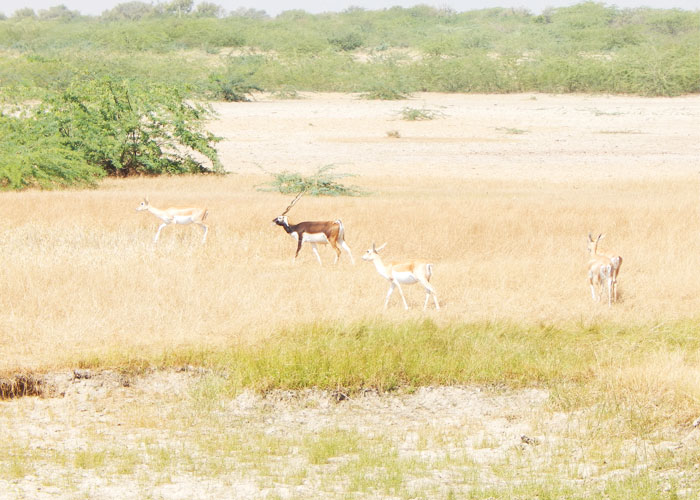
Suppose you are traveling to India for the first time. In that case, chances are that you are looking for a wildlife experience, be it the tigers of Rajasthan and lions of Gujarat, or the rhinoceros and the elephants of Assam. We encourage you to choose experiences that avoid interaction with the animals in close proximity or those that keep the animals in captivity. For example, we don’t do elephant back rides to Amer Fort in Jaipur. You can rather walk with our storyteller and have a much better experience.
Choose wildlife safaris with naturalists who know the ecosystem inside out and can give you an insider’s perspective, or volunteer with animal rescue centers. On our tour of North India, we visit ‘Wildlife SOS’, which is one such rescue facility that works with rescued sloth bears, elephants, and reptiles.
Every traveler has their own priorities. If you are a senior citizen, a family, or a working couple, most probably your priorities are to travel safely, comfortably, and with some bit of a plan which leads you to look for a tour operator. You may want to scan a few and choose one that has robust sustainable travel practices, and is working with the communities directly.
You can see the testimonials, and ask specific questions about what community or environment welfare programs the operator is involved in. This will help you understand where your money is going. On most truly sustainable tours, you would be able to visit the community development projects.
The soda bottle, bag of Lays, or shampoo sachets take between 400 and 1000 years to decompose. The plastic we generate slowly breaks down into smaller particles, which find their way into our vegetables and meat through the cattle and fish.
Ever since multinational companies started branding each product, we have been swamped by plastic. When the flight or the hotel offers us that complimentary water bottle or a burger in a plastic box, we take it because we feel we have paid for it, unaware of the long-term impact. Here are some alternatives –
Reusable filter water bottles – You can carry any BPA-free reusable bottle or a steel bottle on your tour. Most offbeat regions in India have a supply of fresh water that is safe to drink. If you want to be extra cautious, the ‘Lifestraw bottle’ will filter out 99.9% of waterborne bacteria and parasites. Say no when you are offered a free mineral water bottle. The consumer has the power to bring the change.
Cloth carry bags (they are cool) – You can use a cotton or jute bag to carry any products or groceries that you buy on the holiday. Cloth and jute bags look more fashionable than plastic bags, and you can reuse and wash them multiple times. You can buy from ‘Eco Bags’ which is a women-owned and operated organization that pays fair wages and encourages fair labor in their operations. You can check ‘Rewheel’ in India, or buy handcrafted bags directly from the artisans in India.
Eco-friendly toiletries – Those little bottles of shampoo, conditioner, and small soap bars that you get in a hotel are thrown once you check-out, even if you leave them unused. You can return the items to the housekeeping staff as soon as you check-in. Rather, you can travel with your own kit of eco-friendly and consciously sourced toiletries. ‘The Kind Store’ and ‘Wearth London’ are two UK-based organizations that sell eco-friendly toiletries, be it shampoo bars, menstrual products, or bamboo toothbrushes (Image below source). You can find similar organizations in your country or in India.
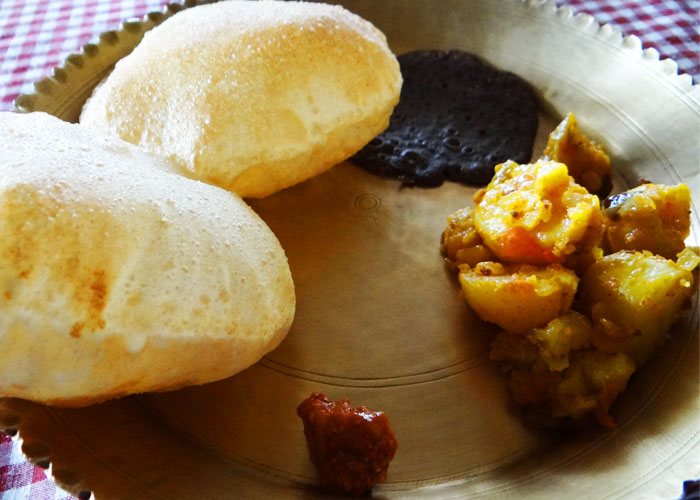

Eat locally sourced food – Most sustainable holidays will serve meals made with products sourced from a local market or a farm next door. If you choose to eat locally sourced food, you get authentic Indian taste that elevates your overall experience of your trip, and your money goes directly to the family. International cuisine in upscale hotels is transported over large distances, which adds to the carbon footprint, and the food itself loses its nutritional value.
Vegetarian vs. Meat vs. Vegan diet – We don’t want to leave you feeling guilty if you like to dig into a plate of lamb. We understand that it’s your choice, and switching food should be your personal decision. There are various reasons to adopt a plant-based diet, but we want to talk about the one that affected us recently.
According to an article by Greenpeace, meat is the source of all zoonotic diseases (that jump from animals to humans). The coronavirus that left the world paralyzed was a zoonotic disease. Free-range meat produced for small consumption is healthy. But when it starts getting produced commercially in farms, it seriously degrades the nutritional value and leaves a considerable carbon footprint.
The Indian spiritual sciences state that when we consume a living being, we consume the energy of fear, death, hatred, and sadness, which then becomes a part of our being. But all the reasons are a point of view, and we leave the choice to you.


Child abuse in tourism – We may feel compelled to give money to a child for a photograph or just out of pity, but we aren’t really helping them. By doing so, we are just encouraging them to skip school and slowly slip into an uncertain future.
Be mindful of the amount of interaction on the school visits. Understanding the local education system is a great experience for the tourist, and a means to cross-cultural exposure for the child. But close emotional interaction with little children leads to a repeated feeling of abandonment, which makes it difficult for them to form emotional bonds when they grow up.
While we make sure that there is a healthy boundary between the children and the tourist whenever we visit a school on our tours, the onus is also on you to drive the change.
Note: The images above are taken for the sole purpose of this article to educate about sustainable travel. None of the children were made to act or were paid for this.
Sustainable tours that empower women – All of us know about the examples of exploitation, but we would rather share some good news about how tourism can lead to women’s empowerment. We have gradually trained and involved women from the rural communities to be tour guides, car drivers, and mountain guides.
This not only puts the money directly into the hands of a woman but also gives her the confidence to lead an independent life and take care of her family. We urge you to choose experiences that empower women for an inclusive society.
Tours in large buses or cruises that stop at pre-determined tourist spots are already under pressure because of over-tourism and the environmental and cultural damage they cause. Do you have to jostle in a long queue for those 2 minutes for the Instagram shot?
Compare this with a small group or a private tour where you get to spend a longer time at each place and with the community you visit. You get to customize your tour, take photos at leisure, and exchange meaningful stories without compromising on the overall duration of the tour.
Engaging with a weaver woman, learning to work on a loom, and buying directly from her is more meaningful than buying cloth from a tourist shop. It becomes even more interesting when you also get to listen to the story of the weaver and possibly visit her home. The possibilities are endless.
—